Where does DNA come from?

Andrew Mclaughlin
Updated on January 21, 2026
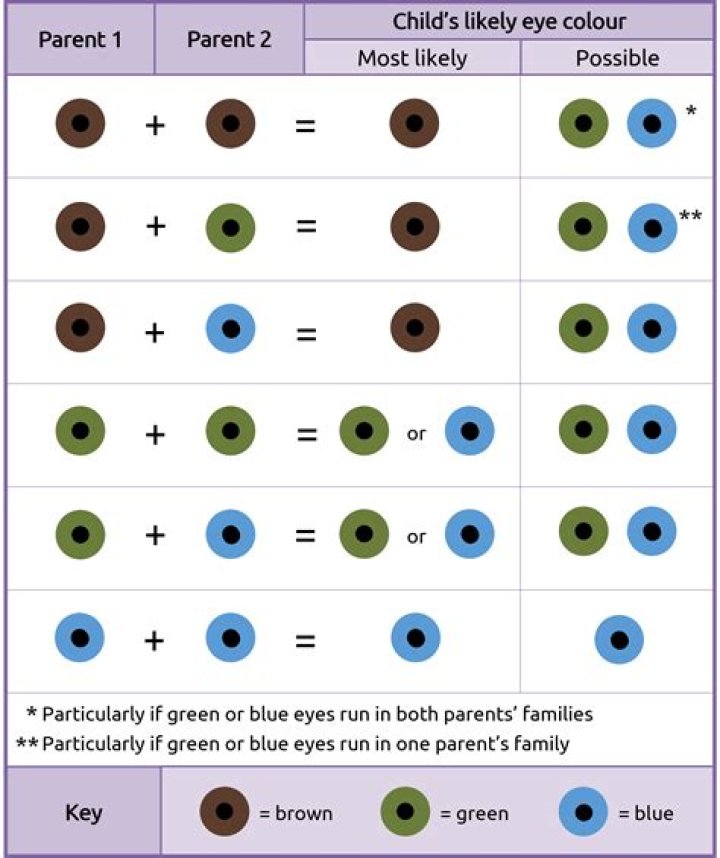
Your genome is inherited from your parents, half from your mother and half from your father. The gametes are formed during a process called meiosis. Like your genome, each gamete is unique, which explains why siblings from the same parents do not look the same.
Where does DNA originally come from?
We are reasonably sure now that DNA and DNA replication mechanisms appeared late in early life history, and that DNA originated from RNA in an RNA/protein world.How DNA is created?
DNA is made of chemical building blocks called nucleotides. These building blocks are made of three parts: a phosphate group, a sugar group and one of four types of nitrogen bases. To form a strand of DNA, nucleotides are linked into chains, with the phosphate and sugar groups alternating.Where is the DNA made?
Most DNA is located in the cell nucleus (where it is called nuclear DNA), but a small amount of DNA can also be found in the mitochondria (where it is called mitochondrial DNA or mtDNA). Mitochondria are structures within cells that convert the energy from food into a form that cells can use.Is your DNA in your blood?
Blood is an excellent source of human DNA. DNA is present in white blood cells of humans, but not red blood cells which lack nuclei. A dime-sized spot of blood, approximately 50 µl in volume, is enough DNA for a typical VNTR analysis.How Complex is DNA and Where Did the Information in DNA come from?
What are the 3 types of DNA?
There are three different DNA types:
- A-DNA: It is a right-handed double helix similar to the B-DNA form. ...
- B-DNA: This is the most common DNA conformation and is a right-handed helix. ...
- Z-DNA: Z-DNA is a left-handed DNA where the double helix winds to the left in a zig-zag pattern.