What does a person with leprosy look like?

Matthew Wilson
Updated on January 10, 2026
Signs of leprosy are painless ulcers, skin lesions of hypopigmented macules (flat, pale areas of skin), and eye damage (dryness, reduced blinking). Later, large ulcerations, loss of digits, skin nodules, and facial disfigurement may develop.
Does leprosy still exist today?
Leprosy is no longer something to fear. Today, the disease is rare. It's also treatable. Most people lead a normal life during and after treatment.What happens physically to a person who gets leprosy?
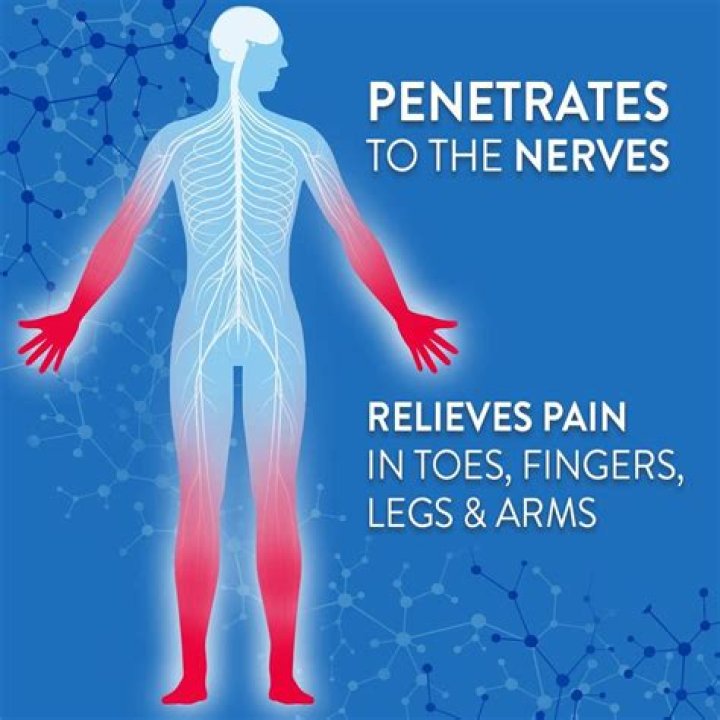
Numbness of affected areas of the skin. Muscle weakness or paralysis (especially in the hands and feet) Enlarged nerves (especially those around the elbow and knee and in the sides of the neck) Eye problems that may lead to blindness (when facial nerves are affected)How do you know if someone has leprosy?
A lepromin skin test is used to determine the type of Hansen's disease (leprosy) a person has contracted. The lepromin skin test is also called the leprosy skin test. Leprosy, also known as Hansen's disease, is a long-term (chronic) condition caused by the bacteria Mycobacterium leprae.What does leprosy do to your face?
Leprosy primarily affects your skin and nerves outside your brain and spinal cord, called the peripheral nerves. It may also strike your eyes and the thin tissue lining the inside of your nose. The main symptom of leprosy is disfiguring skin sores, lumps, or bumps that don't go away after several weeks or months.How Does Leprosy Damage the Human Body?
What are the 3 main symptoms of leprosy?
The three main symptoms of leprosy include:
- Skin patches which may be red or have a loss of pigmentation.
- Skin patches with diminished or absent sensations.
- Numbness or tingling in your hands, feet, arms and legs.
- Painless wounds or burns on the hands and feet.
- Muscle weakness.
What are the two symptoms of leprosy?
Depending on the type of leprosy, symptoms may include:
- Skin sores or lesions that do not heal after several months (lesions are flat or slightly elevated and light in color or slightly red)
- Skin lumps and bumps that can be disfiguring.
- Numbness of the skin because of damage to the nerves under the skin.
- Muscle weakness.