Is Magnesium good for hair growth?

Matthew Cannon
Updated on January 23, 2026
Does magnesium help with hair thinning?
Anti-inflammatory: As a mineral, magnesium is believed to have anti-inflammatory properties. Prevents hair loss: Using magnesium oil in scalp massage helps increase blood flow and can prevent hair loss.Can magnesium cause hair loss?
Magnesium prevents calcium build upDue to the build up, calcium clogs the hair follicles, making the scalp dry and flaky, it has a negative effect on healthy hair growth and can eventually lead to hair loss. Magnesium naturally counteracts calcium by slowing calcium production and improving calcium circulation.
Does magnesium help hair and nails?
Hair, Skin and NailsApart from vitamins, minerals are very important for hair growth. While iron and zinc help with hair's shine and luster, magnesium plays an important role in promoting follicle hair growth, which results in healthy hair growth.
Does magnesium oil regrow hair?
However, magnesium has one more amazing function – it may be a viable solution to stopping hair from falling out and stimulating regrowth in individuals afflicted with male-pattern baldness!What Vitamin encourages hair growth?
Biotin, also known as vitamin B7, is a complex B vitamin that is often touted for having hair growth benefits. And some of that hype may actually be worth it. Biotin has functions in “creating red blood cells, which carry oxygen and nutrients to the scalp and hair follicles,” says Dr.Can I spray magnesium oil on my hair?
Transdermal Magnesium nourishes the roots and unblocks the follicles at the same time - It's like a detox for your scalp! Simply spray the oil directly on your head, and massage the product into your scalp 30 minutes before you wash your hair.How much magnesium should I take for hair loss?
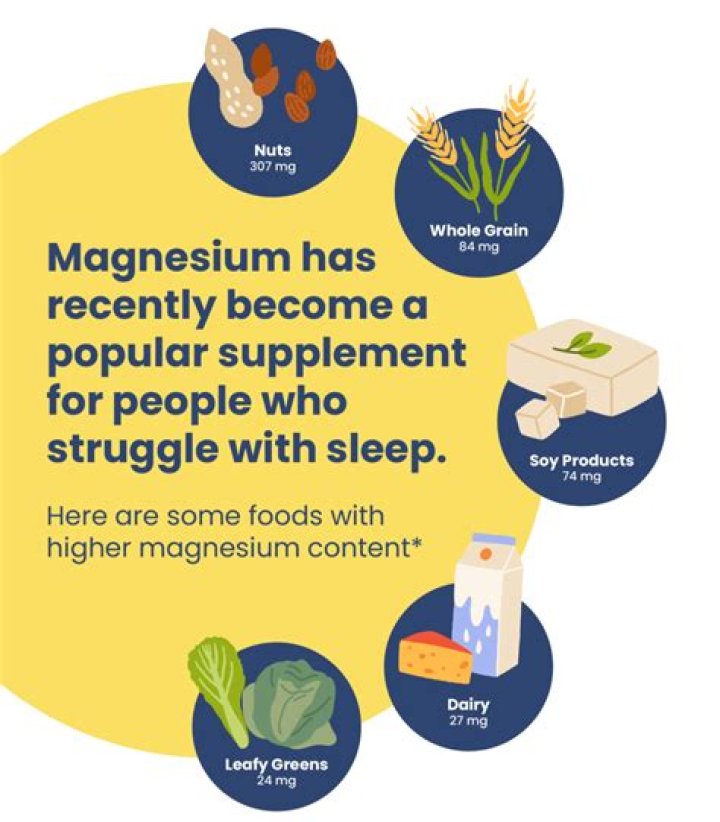
Magnesium Deficiency and Hair LossAccording to medical research, the average male should be consuming about 400 mg. of magnesium per day and women should be getting at least 310 mg.
What are the benefits of taking magnesium daily?
Taking a magnesium supplement to address a deficiency has been linked to health benefits. These include improvements in blood pressure, mood, and blood sugar management, as well as a lower risk of developing health conditions such as heart disease.Should a woman take magnesium?
According to the National Institutes of Health's Office of Dietary Supplements , healthy adult men should generally consume 400 to 420 milligrams (mg) of magnesium daily. Healthy adult women should consume 310 to 320 mg daily. Pregnant women are recommended to consume a higher dose than women who aren't pregnant.What are signs of low magnesium?
What are the symptoms of magnesium deficiency symptoms?
- loss of appetite.
- nausea and vomiting.
- fatigue and weakness.
- shaking.
- pins and needles.
- muscle spasms.
- hyperexcitability.
- sleepiness.
What supplements cause hair thinning?
Over-supplementation of certain nutrients, including selenium, Vitamin A, and Vitamin E, has actually been linked to hair loss [4,8–11].How do you know if your body is lacking magnesium?
A: One of the first signs of magnesium deficiency is often fatigue. You may notice muscle spasms, weakness or stiffness as well. Loss of appetite and nausea are other common symptoms in the early stages. However, you may not notice any symptoms at all in the beginning.What helps female thinning hair?
How is female hair loss treated? Minoxidil (Rogaine) 5% is the only topical medication approved by the FDA for female-pattern hair loss. The once daily use foam treatment regrows hair in 81% of the women who try it. Liquid options of 2% and 5% solutions are available over the counter.Is magnesium good for wrinkles?
Magnesium helps support the synthesis of collagen and a lack of collagen as we age is one of the key factors in wrinkles. Without adequate Magnesium, your skin is far more susceptible to harmful free radical damage that can ultimately lead to wrinkling and skin damage.Can magnesium reverse GREY hair?
There isn't a lot of medical data to back it up, but some research does show that magnesium deficiency may be behind some (not all) causes of gray hair. If this is the cause of your greying, then making sure your magnesium stores are optimal could stop or even reverse the greying of your hair.What are the 10 signs of low magnesium?
10 Symptoms of Magnesium Deficiency
- Calcification of the arteries. Unfortunately, this is one of the first symptoms to appear, as well as one of the most serious. ...
- Muscle Spasming & Cramping. ...
- Anxiety & Depression. ...
- Hormone Imbalances. ...
- High Blood Pressure / Hypertension. ...
- Pregnancy Discomfort. ...
- Low Energy. ...
- Bone Health.